
Trauma, Complex Trauma & PTSD
Healing Nervous Systems • Reconnecting Body, Heart & Relationship
Trauma is more than something that happened in the past — it lives in the body, shapes our nervous system, and quietly influences how we feel, relate, and experience safety, connection, and intimacy.
At the Center for Relationship and Intimacy Well-Being, we understand trauma with depth, compassion, and a somatic-informed perspective that honors your lived experience and capacity for healing.
Whether the wound comes from one overwhelming event, many small hurts that piled up over time, or chronic exposure to stress and danger, trauma can show up in your relationships, your sense of self, your body, and your ability to trust — including trust in your own body, thoughts, and nervous system.

What Is Trauma?
Trauma occurs when an event overwhelms your ability to cope — when your nervous system is pushed into survival mode and can’t easily return to balance. Common experiences that might lead to trauma include:
- Accidents, assaults, or natural disasters
- Childhood adversity or attachment disruptions
- Emotional, physical, or relational violation
- Loss, abandonment, or betrayal
- Medical trauma and chronic illness
Trauma isn’t about being “strong enough” or “weak.” It’s about the impact of overwhelming stress on the nervous system. You are not broken — your body is responding to danger in the only way it learned how.
What Is Complex Trauma?
Complex trauma refers to exposure to repeated or prolonged stress — especially in relationships that should have felt safe (like caregiving, family, or intimate partnerships). Unlike a single traumatic event, complex trauma often develops over time and deeply affects how you:
- Regulate emotions
- Form secure attachments
- Experience safety and trust
- Interpret threats and vulnerability
People with complex trauma may have learned hypervigilance, emotional suppression, people-pleasing, or dissociation as survival strategies. These adaptations kept you safe then — but they can interfere with joy, intimacy, and authentic connection in the present.


Understanding PTSD
(Post-Traumatic Stress Disorder)
PTSD can develop after trauma and is a set of persistent, distressing reactions that include:
- Intrusive memories, flashbacks, or nightmares
- Heightened startle response or hypervigilance
- Avoidance of reminders of the event
- Emotional numbing or detachment
- Persistent fear, guilt, or shame
PTSD is not a character flaw — it’s a nervous system in survival mode. Healing means building safety, agency, and self-regulation — not suppressing or erasing your story.
How Trauma Shows Up in Relationships
Trauma changes how we connect and experience intimacy:
- You may become triggered by emotional closeness.
- You might fear abandonment or connection.
- You may feel “shut down” or disconnected in intimacy.
- You may confuse pleasure with triggers, making moments of intimacy feel overwhelming or unsafe.
- You may experience obsessive thoughts, compulsive behaviors, or hypervigilance (similar to OCD) in intimate moments.
- Conflict might feel more intense or threatening than the situation warrants.
- You may struggle to express needs, set boundaries, or feel seen.
- You may feel tension between wanting closeness and fearing it.
Trauma is deeply relational — it shapes how we connect, trust, and engage with others — and healing is relational too, cultivating safety, attunement, and authentic connection.
Our Approach to Healing Trauma & PTSD
At the Center for Relationship and Intimacy Well-Being, healing is holistic, body-informed, heart-centered, and somatic. We understand that trauma is stored in the body, shapes nervous system responses, and influences how you relate to yourself and others. Our approach is designed to meet you where you are, honor your experiences, and help you build safety, resilience, and connection at every level.
We integrate research-informed trauma work with relational and nervous-system-aware practices so you can:
- Rebuild a sense of safety in your body — gently releasing tension, learning to listen to your sensations, and reclaiming your embodied presence.
- Learn self-regulation and emotional fluency — recognize triggers, manage overwhelm, and respond rather than react in moments of stress.
- Cultivate trusting, secure connections — deepen intimacy, set healthy boundaries, and navigate relationships with confidence and clarity.
- Reclaim desire, intimacy, and aliveness — rediscover pleasure and connection in your body, heart, and mind without fear or shame.
- Integrate fragmented experiences — connect past trauma with your present self in ways that foster healing, understanding, and self-compassion.
- Strengthen nervous system resilience — using somatic tools, mindfulness, and relational attunement to move from survival mode into engagement, presence, and agency.
- Address relational and cultural contexts — we honor intersectional experiences, including cultural, racial, and gendered dimensions of trauma, and support healing within these frameworks.
We blend psychotherapy, somatic awareness, nervous system regulation tools, and relational attunement to create a safe, supportive environment. This allows your nervous system to shift from survival into safety, coherence, and engagement, and helps you cultivate connection, pleasure, and presence in ways that feel authentic and sustainable.
Healing trauma is a journey of empowerment — it’s not about erasing what happened, but about reclaiming your body, your heart, and your relationships. Here, you can move from protection into presence, intimacy, and aliveness with guidance, compassion, and skilled care.
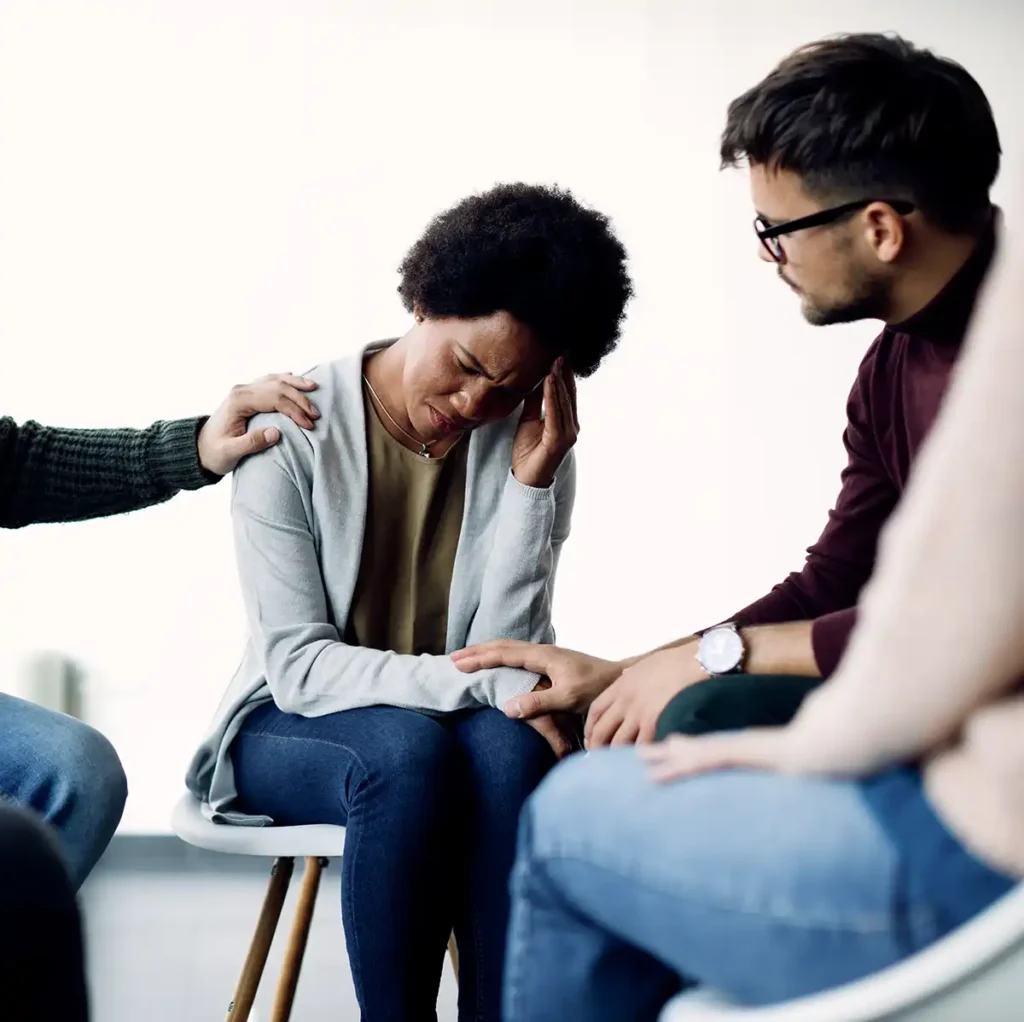
You Are More Than Your Trauma
Trauma doesn’t define you — it shapes parts of your survival response.
Healing is not about forgetting what happened. It’s about developing resilience, strengthening your nervous system, and reclaiming connection, pleasure, and safety within yourself and others.
You deserve to:
- Feel grounded in your body
- Experience relationships without fear
- Understand your nervous system
- Move from protection to presence
- Live with connection and ease
FAQs: Healing Trauma & PTSD
Do I need medication to heal trauma?
Medication can be a helpful tool for some people, especially if trauma has caused anxiety, depression, or sleep disturbances. It can support symptom relief and make it easier to engage in therapy. However, healing trauma goes far beyond symptom management. True recovery focuses on nervous system regulation, relational safety, and somatic integration — learning to feel safe in your body, process emotions without overwhelm, and reconnect with yourself and others. Medication may be part of the journey, but it is not a replacement for trauma-informed therapy and embodied healing.
Can trauma be healed completely?
Trauma may not disappear, but it can be integrated into your life in a way that no longer controls you. Integration means:
- Triggers become less intense and more manageable
- You can respond rather than react in stressful situations
- Emotional regulation improves
- You can experience joy, intimacy, and safety more fully
Healing is about reclaiming your body, your relationships, and your life, rather than erasing memories. Over time, the nervous system learns new patterns, and you move from survival into presence and resilience.
Does therapy mean reliving my trauma?
Absolutely not. Healing trauma is not about re-experiencing pain or “re-living” traumatic events. Therapy is about:
- Building safety and resources in your nervous system
- Learning strategies to regulate emotions and reactions
- Developing healthy relational patterns
- Integrating past experiences without being overwhelmed by them
Sessions are paced according to your needs, with full respect for your readiness and consent. You remain in control throughout the process, and therapists provide supportive tools and somatic practices to help you feel grounded, safe, and empowered.
How long does trauma healing take?
Healing is highly individual and depends on the nature of the trauma, support systems, and personal resources. Some people notice shifts in weeks, while others take months or years. Trauma-informed therapy emphasizes progress over perfection, celebrating each step toward safety, presence, and connection.
Can trauma affect my sexual health and relationships?
Yes. Trauma can show up in intimacy, pleasure, trust, and attachment, sometimes leading to avoidance, hyper-vigilance, or difficulty feeling safe in close relationships. Healing trauma often involves addressing relational patterns, body awareness, and nervous system regulation, helping you reclaim pleasure, desire, and meaningful connection.
Is trauma therapy different for complex or repeated trauma?
Yes. Complex trauma often involves prolonged or repeated stress, particularly in relationships that should have felt safe. Therapy for complex trauma focuses on:
- Restoring a sense of safety and predictability
- Processing relational wounds and attachment challenges
- Strengthening resilience and self-compassion
- Integrating multiple layers of trauma in a gentle, paced, and relationally attuned way
Begin Your Healing Journey Today
You don’t have to face the effects of trauma alone. At the Center for Relationship and Intimacy Well-Being, our trauma-informed, somatic, and relational approach helps you reclaim safety, connection, and intimacy in your life. Whether you are navigating complex trauma, PTSD, or the lasting impact of past experiences, we provide compassionate guidance tailored to your unique journey.
Take the first step toward healing today. Contact us to schedule a consultation and begin reconnecting with your body, heart, and relationships — moving from survival into presence, joy, and wholeness.